|
|
|
|
-
-
-
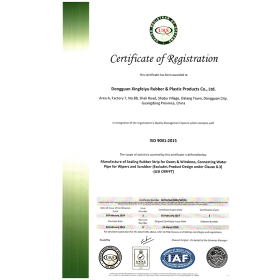
ISO9001
Issuing authority : URS
Valid period : 2024/2/3 - 2027/2/2
Quality is at the core of everything we do.
Improving Product and Service Quality:Ensures that products and services meet customer requirements and relevant regulatory standards.Reduces errors and defects in production and service processes through standardized procedures.Enhancing Business Management:Establishes systematic management processes to optimize internal operations and improve efficiency.Defines clear roles and responsibilities to strengthen teamwork and execution.Increasing Customer Satisfaction and Trust:Enhances customer satisfaction and loyalty by understanding and meeting customer needs.Delivers consistent, high-quality products and services to build market credibility.Promoting Continuous Improvement:Implements the "PDCA" (Plan, Do, Check, Act) cycle to drive ongoing improvements.Conducts regular audits and evaluations to identify and resolve issues promptly.Enhancing Market Competitiveness:Demonstrates internationally recognized quality management capabilities through ISO9001 certification.Strengthens competitive advantage in market tenders and business negotiations.Reducing Operational Risks:Reduces customer complaints and claims by controlling processes and managing quality effectively.Minimizes quality incidents and legal risks through consistent process execution.Boosting Employee Engagement and Responsibility:Encourages a sense of responsibility for quality through training and performance evaluation.Motivates employees to propose improvements, fostering a culture of innovation and accountability.Overall, ISO9001:2015 helps us establish and maintain an effective quality management system, ensuring consistent product and service quality, improving customer satisfaction, and enhancing market competitiveness.
-
-
-
-
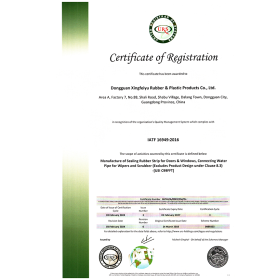
IATF16949
Issuing authority : URS
Valid period : 2024/2/3 - 2027/2/2
Quality is at the core of everything we do.
IATF16949:2016 is an international standard for quality management systems (QMS) specific to the automotive industry.Ensuring High-Quality Automotive Products and Services:Establishes strict quality standards to ensure the reliability and safety of automotive products.Reduces defects and variability in production to meet customer and industry requirements.Enhancing Process Efficiency and Effectiveness:Promotes the use of standardized processes and best practices to increase production efficiency.Encourages the use of advanced quality planning tools (e.g., FMEA, APQP) to improve product development and manufacturing processes.Strengthening Supplier and Supply Chain Management:Establishes strict quality requirements for suppliers and improves supply chain performance.Enhances traceability and control throughout the supply chain to prevent defects and recalls.Promoting Continuous Improvement:Implements a structured framework for continuous improvement using the PDCA (Plan, Do, Check, Act) cycle.Focuses on defect prevention and waste reduction through process control and optimization.Increasing Global Competitiveness:Certification to IATF16949:2016 is recognized globally by major automotive manufacturers.Improves credibility and market access by meeting the highest automotive industry standards.Reducing Risks and Ensuring Compliance:Identifies and mitigates risks through robust failure analysis and corrective action processes.Ensures compliance with customer-specific requirements and legal regulations.Enhancing Customer Satisfaction and Trust:Improves product consistency and reliability, leading to fewer recalls and customer complaints.Strengthens relationships with automotive OEMs (Original Equipment Manufacturers) and Tier 1 suppliers.Focusing on Defect Prevention and Zero-Defect Goals:Promotes a culture of defect prevention and emphasizes "zero-defect" production targets.Uses statistical process control (SPC) and root cause analysis to prevent and eliminate defects.Overall, IATF16949:2016 helps automotive parts manufacturers and suppliers establish a world-class quality management system that enhances product quality, improves operational efficiency, increases customer satisfaction, and strengthens global competitiveness.
-
-
-
-
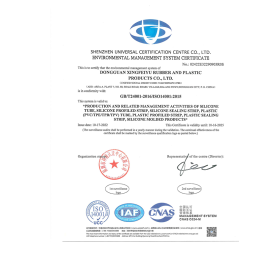
ISO14001
Issuing authority : URS
Valid period : 2024/2/3 - 2027/2/2
Quality is at the core of everything we do.
ISO14001 is an international standard for environmental management systems (EMS) established by the International Organization for Standardization (ISO).Improving Environmental Performance:Helps organizations identify and control their environmental impact.Reduces waste, emissions, and energy consumption to minimize environmental footprint.Ensuring Regulatory Compliance:Ensures compliance with environmental laws and regulations.Reduces the risk of fines, penalties, and legal issues related to environmental violations.Promoting Resource Efficiency:Encourages better use of natural resources, such as water, energy, and raw materials.Improves cost efficiency by reducing waste and operational costs.Driving Continuous Improvement:Uses the "PDCA" (Plan, Do, Check, Act) cycle to identify opportunities for environmental improvement.Establishes measurable environmental goals and monitors progress.Enhancing Corporate Image and Competitiveness:Demonstrates a company’s commitment to environmental responsibility and sustainability.Enhances the company’s reputation and creates a competitive edge in environmentally conscious markets.Reducing Environmental Risks:Identifies potential environmental risks and establishes preventive measures.Reduces the risk of environmental accidents and associated financial liabilities.Engaging Employees and Stakeholders:Raises environmental awareness among employees through training and participation.Encourages a culture of environmental responsibility within the organization.Facilitating Business Opportunities:Provides access to new markets and business partnerships where environmental standards are required.Improves chances of securing contracts and agreements with environmentally conscious clients.Overall, ISO14001 helps us establish a structured approach to environmental management, reduce environmental impact, improve operational efficiency, and enhance market reputation.
-